Help: Group Registration of Two-Dimensional Artwork (GR2D)
Part 1: Eligibility Requirements
A group of 2 to 20 two-dimensional artworks published within one calendar year may be registered with the U.S. Copyright Office using one GR2D application and paying one filing fee if certain conditions have been met.
Two-dimensional artworks that do not satisfy these requirements cannot be registered using this group registration option. If the Office determines your submission does not qualify for this GR2D option, your application may be refused.
If your works do not satisfy these requirements or if you are unsure they are eligible for this option, you should select a different option or contact the Copyright Office at 1-877-476-0778 (toll-free) or copyright.gov/help/ prior to submitting an application.
Eligible Works
Most types of two-dimensional artworks are allowed on the GR2D application. For works not allowed, see the “Ineligible Works” section below.
Some examples of commonly filed types of artwork that can be registered on the GR2D application include the following:
- Paintings
- Illustrations
- Sketches
- Logos
- Fabric designs
- Collages
- Character artwork
Note about three-dimensional perspective artwork:
Sculptural works and other forms of three-dimensional artwork cannot be registered on the GR2D application. Two-dimensional artwork showing a three-dimensional perspective, whether hand drawn or digital, is allowed on this application. Although they may have a three-dimensional look, these types of works are essentially two-dimensional in nature. However, a GR2D registration will only extend to the two-dimensional artwork deposited, not to any three-dimensional object depicted in the artwork.
Ineligible Works
The following types of works are not allowed on the GR2D application:
- Three-dimensional works/sculptures
- Architectural works
- Technical drawings
- Works comprised of multiple pictorial or graphic images
- Examples: compilations, collective works, databases, websites, style guides, catalogs, calendars, children’s picture books, comic books, graphic novels
- By contrast, individual comic strips and collages are allowed on the GR2D application.
- Units of publication
- A unit of publication is a special accommodation that allows an applicant to register multiple works that are physically bundled or packaged together as one unit when published. Units of publication can only be registered on the Standard Application. For more information about units of publication, see pages 6 and 7 of Circular 34.
Note about photographs:
As a general rule, photographs should not be submitted for registration with the GR2D application. The Copyright Office created a separate procedure for registering photographs. If you want to register a group of published or unpublished photos, go to our Photographs webpage, which provides information and resources about these group registration options.
When registering a group of two-dimensional artwork with the GR2D application, you are welcome to upload photographs showing the artwork you want to register. In these cases, the registration will not extend to the photographs themselves, only to the artwork captured in the photographs.
Although photographs should not be submitted with the GR2D application, you may register artwork that incorporates photography, such as a collage that includes sketches, photos, and text.
Examples:
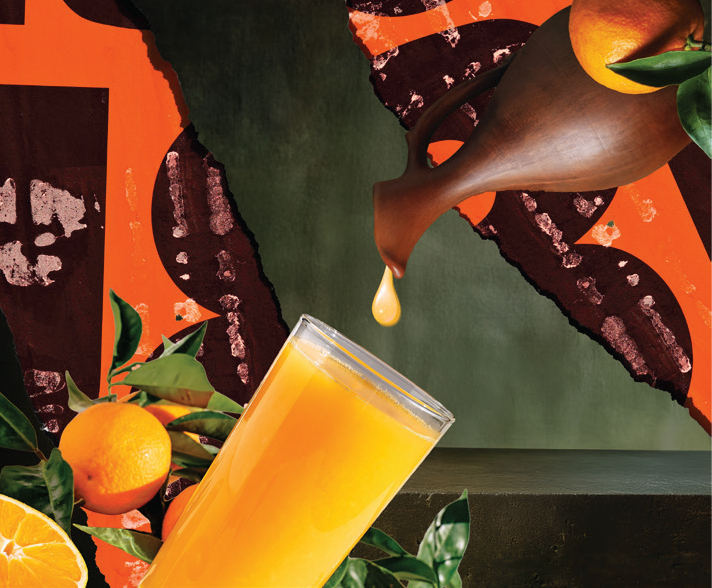
This collage should be filed on the GR2D application (not on the group registration option for photographs—even though it contains some photos).
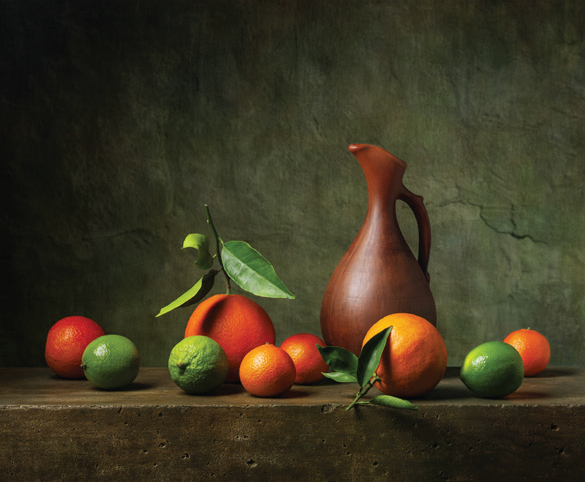

These photos should be filed on the group registration option for photographs (not on the GR2D application).
For purposes of registration, a highly edited or manipulated photograph or a photograph with artwork added may be considered a two-dimensional artwork, rather than a photo. This type of artwork may be registered with the GR2D application.
Example A


Example B

Example C
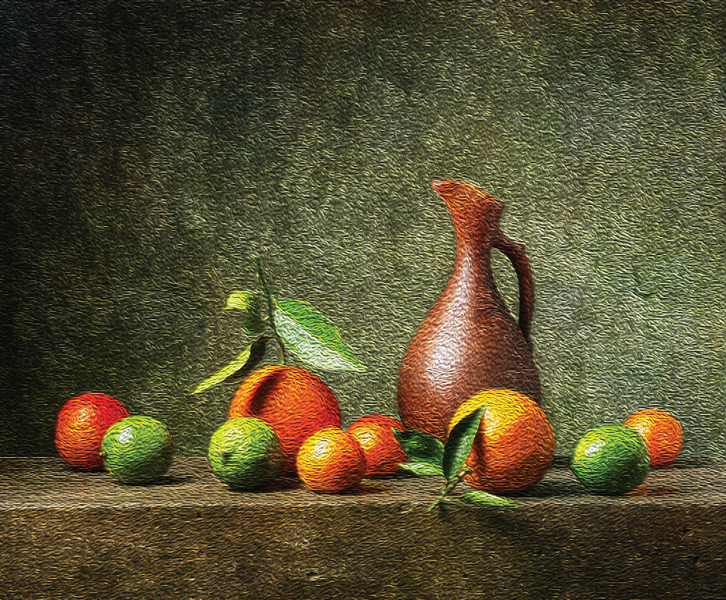
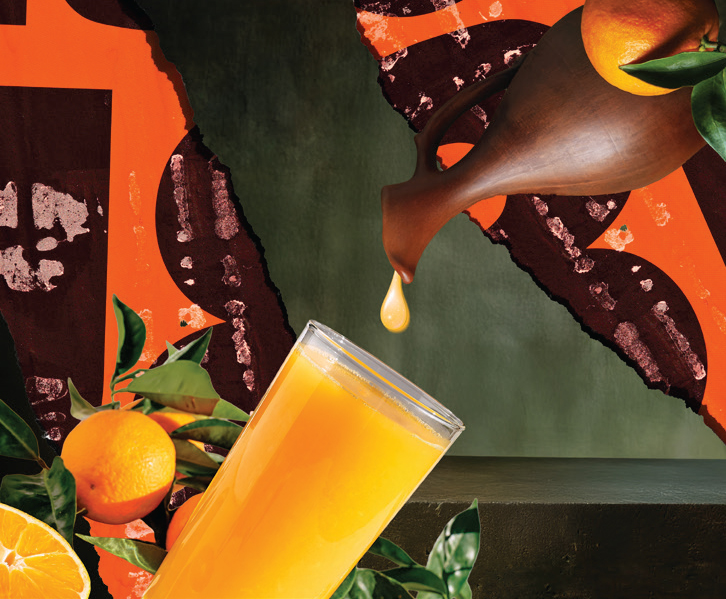
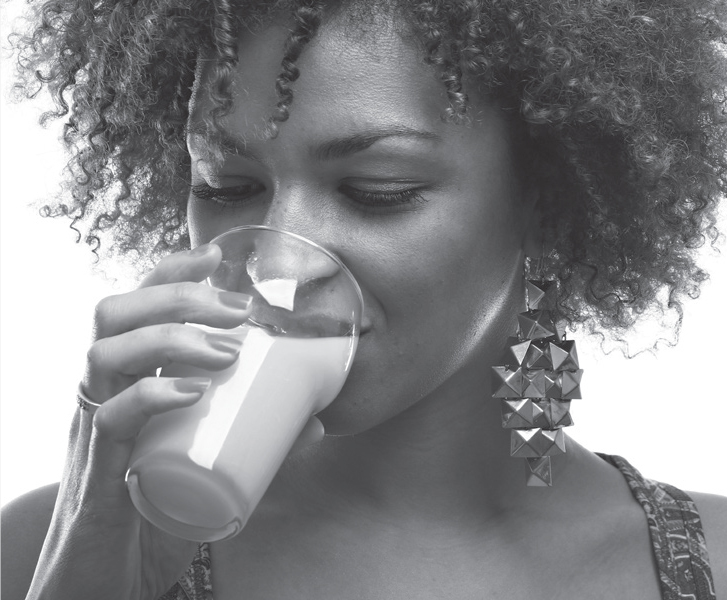
The images shown in Example A are photographs. Each image was taken with a camera. These images may be registered using a group registration option for photographs. Because they are photographs—rather than two-dimensional artwork—they should not be submitted for registration with the GR2D application.
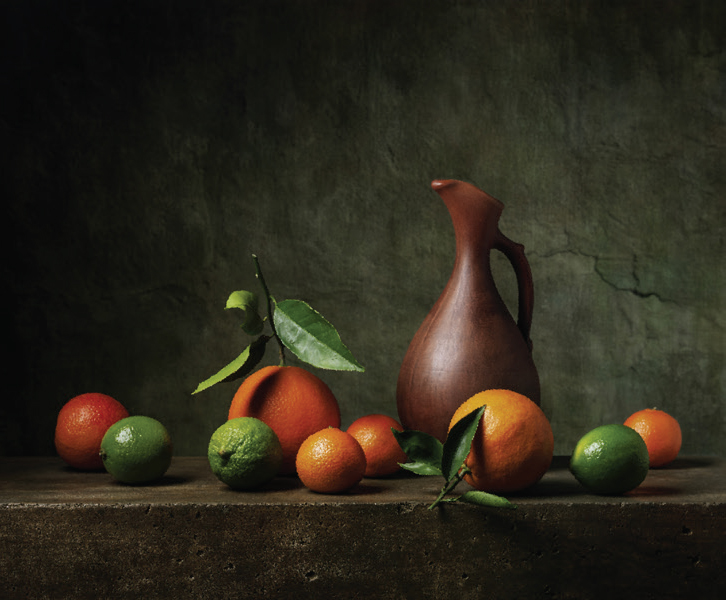
The images shown in Example B are also photographs. They are essentially the same as the photo shown in Example A, except they have been edited, modified, or retouched using standard photo-editing techniques. The first photo has been brightened and sharpened, and the saturation has been increased. The second photo has been cropped. The third photo has been changed to black and white. These modifications are classic examples of photographic authorship. Although these images have been modified, they are still photos, and as such, they should be filed on the group registration option for photographs. Moreover, these photos would not be considered two-dimensional artwork (even though they have artistic qualities) and, for that reason, they should not be submitted for registration with the GR2D application.
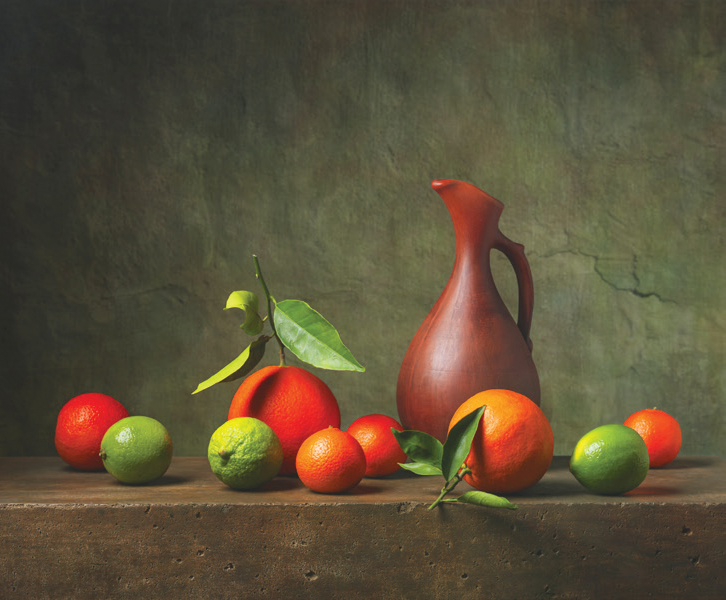
By contrast, the images shown in Example C would be considered two-dimensional artworks, rather than photographs. Each image contains visual elements from the photos shown in Examples A and B. However, the underlying photos have been modified and combined with other forms of non-photographic authorship. The first image applied an oil filter effect. The second image combined photos, illustrations, and effects to make a collage. In each case, the underlying photograph has been transformed to such an extent that the resulting image would be considered a two-dimensional artwork for purposes of registration. These images should be filed on the GR2D application, not on a group registration option for photographs.
Number of Works
Examples of what we consider 1 two-dimensional artwork are one logo design, one painting, one illustration, one textile design, etc. You must submit at least 2 but no more than 20 of such two-dimensional artworks with this application.
Multiple Versions of a Work
If some of the works contain the same copyrightable content, be sure each work contains enough copyrightable differences to distinguish them from the other works in the group. In other words, each work must contain a sufficient amount of original authorship to sustain a separate registration. The Copyright Office may refuse registration if the works contain the same copyrightable content and if the variations between each work don’t contain enough copyrightable differences to support a separate registration for each of those works.
The following types of changes or differences are generally considered uncopyrightable in and of themselves. Thus, if the works contain the same copyrightable content and if these are the only differences between each work, then the Copyright Office may refuse to register each variation as a separate work.
- Rescaling
- Resizing
- Reversing
- Cropping
- Mirror images
- Inversions
- Variations in typographic ornamentation
- Mere changes in color
- Addition of familiar symbols or designs
- Minor rearrangements, such as moving the name in a logo from the top to bottom or left to right of an image
- Changes in format or material, such as printing an artwork on paper versus plastic or wood
Example:
If you have five works that are all the same, except for changing the background from one color to a different color for each of the five versions, do not submit all five works. Instead, submit the one that was published first, or if they were all published on the same day, submit the one that shows the design most clearly. That one registered work will register all concurrent or subsequent versions of the design containing the same copyrightable content.
One Author and Claimant
Each artwork must be created by the same (one) author. The application may not include any artworks created by joint authors—even if you do not intend to claim another author’s contribution.
The author will automatically be named as the sole claimant on the GR2D application. No other party may be named as the copyright claimant.
If another party has obtained all rights in the works via a transfer of ownership, and if you wish to include that information in the registration record, we recommend registering each artwork separately using the Standard Application (instead of the GR2D application). The Standard Application allows different parties to be named as author and copyright claimant, along with an explanation of how all rights were transferred from the author to the claimant.
Works on the GR2D application may be registered as works made for hire (see the section below). For more information about works made for hire, see Circular 30.
Published Works Only
The GR2D application may be used to register published two-dimensional artworks. Unpublished works cannot be registered with this application.
All the two-dimensional artworks must be published within the same calendar year (such as 01/01/2025–12/31/2025). You must identify the earliest and latest date of first publication (month/day/year) for the works in the group. In addition, you must identify the month in which each work was first published (but you don’t need to identify the specific date when each work was published during that month). See the “Publication” section in Part 2 below for more information about what constitutes publication.
File Names Must Match Titles
A separate and unique individual title for each artwork must be provided in the application. As discussed below, each work must be submitted in a separate electronic file, and the file name assigned to each electronic file must match the title of the corresponding work listed on the application. For example, if the title of your work is “The Birthday Party” and if you plan to upload a PDF copy of that work, then the file name for that PDF should be “thebirthdayparty.pdf.” Be sure to use a different title for each work. For instance, if you are registering two or more works titled “The Birthday Party,” you should assign a different name to each work, such as “The Birthday Party 1,” “The Birthday Party 2,” etc. If we cannot match each file to its corresponding title in the application, registration may be refused for your entire GR2D application.
Electronic Deposits Required
Deposits are copies or identifying images of the artworks you wish to register. The deposits must be uploaded to the electronic registration system. Physical deposits will not be accepted.
A list of acceptable file types is available. We can only accept the file types listed there. Uploading a different file type may delay your registration since we will have to correspond with you to request a copy of the work(s) in one of the accepted file types, or it may result in refusal of the application, depending on the circumstances.
Separate Digital File for Each Work
Each two-dimensional artwork must be submitted in a separate digital file. Each file must contain a complete copy of only one artwork, such as one drawing, one illustration, one three-panel comic strip, or one fabric design.
Part 2: Completing the Application
The information below provides guidance and general information for completing the various sections of the GR2D application.
Titles
As discussed immediately below, you must provide a title for the entire group of works. And as discussed further below, you must provide an individual title for each work you intend to register.
Title of Group
Under “Title of Group” enter a title that represents your entire group. You should not provide generic titles, such as “Untitled,” “No title,” “Working title,” or “No title yet.” Works registered with generic titles may be difficult to find in the public record.
Applicants may provide any title that reasonably identifies the group as a whole. For example, the Copyright Office will accept a title that identifies the artist and the month/year the photos were taken, such as “June Jamison’s Paintings May through September 2024.” The Office will accept a title that identifies the subject matter of the artwork, such as “Vacation Sketches from Japan.” If the artist created the artwork for a particular client or project, the applicant may include that information in the title of the group, such as “Artwork created for ABC Advertising Company Part 1.”
Number of 2D Artworks in this Group
Enter the number of works being registered. Examples of what we consider 1 two-dimensional artwork are one logo design, one painting, one illustration, one textile design, etc. You must submit at least 2 but no more than 20 of such two-dimensional artworks with this application. Keep in mind that many types of artwork containing multiple images are not allowed on the GR2D application. Refer to the “Ineligible Works” section above for more information. The number of artworks should match the number of uploaded deposit files. If you have multiple images to show for a particular artwork, such as an overall image and detail images, you can put them together in the same PDF file.
Year of Completion
Enter the year the author completed these works. If the author created these works over multiple years, provide the year of completion for the most recently created work being registered.
Publication
Publication is the distribution of copies of a work to the public by sale or other transfer of ownership or by rental, lease, or lending. Offering to distribute copies to a group of persons for purposes of further distribution, public performance, or public display also constitutes publication. A public performance or display of a work does not of itself constitute publication.
Beyond selling copies of your artwork, an example of distribution of copies is when you give permission for a copy of your artwork to be used for promotion of a gallery show in a magazine or newspaper article. Another example is when you create a logo for your own graphic design or illustration business and use it on business cards or letterhead that you regularly distribute while doing business with the public.
An example of distributing copies for purposes of further distribution is when an artist delivers artwork, such as advertising material, to a client and gives them permission to reproduce, display, or redistribute copies to the public. For more on publication, see section 1900 of the Compendium of U.S. Copyright Office Practices. For information regarding when web use constitutes publication, see section 1008.3(F) of the Compendium.
The GR2D application is only for registering published two-dimensional artworks. The applicant must determine whether all the artworks are published. Unpublished artworks cannot be mixed with published works. The applicant must certify that the information given in the application is true and correct, so make sure that all the artworks in the group are published and that they were published in the month and year specified in the application.
Note: If you wish to register unpublished artworks, return to the Home screen and select “Group Registration of Unpublished Works.”
Earliest Publication Date in Group
The “Earliest Publication Date in Group” is the earliest date any of the artworks were published during the calendar year specified in the application.
Latest Publication Date in Group
The “Latest Publication Date in Group” is the most recent date any of the artworks were published during the calendar year specified in the application.
Example: If the artworks were published in 2025 on March 1, 2, and 3, you should enter “03/01/2025” for the Earliest Publication Date in Group and “03/03/2025” for the Latest Publication Date in Group.
Important Note: All the works must be published within the same calendar year.
Nation of First Publication
The nation of first publication is the country where copies of a work were first published with the authorization of the copyright owner. On the Title screen, select the name of the appropriate country from the drop-down menu. The U.S. Copyright Office may use this information to determine whether the works are eligible for copyright protection under U.S. copyright law.
If any of the works in your group were first published in a different country, or if any one of your works was first published in more than one country, please provide the names of the additional countries and their corresponding works in the Note to Copyright Office field.
2D Artwork Title
Under “2D Artwork Title” enter one individual title for the first work you intend to register. Then, enter the month this work was first published in the Month Published field (discussed below). Click “Save” and repeat this process for the rest of the works in the group.
Important note: Each individual title must be different. Do not reuse the same individual title. Choose your titles carefully, because each individual title must match the corresponding file name assigned to the copies you upload to the electronic registration system.
For example, if the title of your work is “The Wedding Party” and if you plan to upload a PDF copy of that work, then the file name for that PDF should be “theweddingparty.pdf.”
The total number of individual titles you enter in the application must match the total number of files you upload to the electronic registration system. If they do not match, we may remove some of the works from your application, meaning they will not be registered. We may need to correspond with you, which will delay your registration, or if there are too many other problems with your application, in addition to the titles and files not matching, we may refuse your application.
Month Published
Enter the month each work was first published. You don’t need to identify the specific date the work was published during this month. The year will be automatically added by the electronic registration system (based on the earliest and latest publication dates you provided on the previous screen).
Author
The author is the individual who created each work. In the case of a work made for hire, the author is the individual or organization who employed or commissioned the artist who created the artwork.
Only works created by one author are allowed on GR2D, and all of the works must be created by that same author. Works created or co-created by two or more co-authors cannot be registered with this option.
Name the author of each work either in the Individual Author or Organization Name field of the Author/Claimant screen.
Individual Author
If all of the works were created by an individual author, enter the full name of that person on the Author/Claimant screen in the Individual Author field. Also be sure to provide that person’s complete address.
Limited Exception: In rare and exceptional cases, an individual may hire, or in some cases commission, an artist who creates artwork for that individual as a work made for hire.
Note: This is uncommon and unusual for visual arts works. In these cases, the work-made-for-hire question should be answered “Yes,” and the individual who hired or commissioned the artist should be named in the Individual Author field (rather than the artist who actually created the artwork).
Organization Name
An organization may be named as an author only if the work was created by the employees of that organization or, in some cases, if the organization specially ordered or commissioned the works as a work made for hire. On the Author/Claimant screen, you can enter the name of one organization that meets these criteria in the Organization Name field.
Work Made for Hire
The term “work made for hire” has a specific meaning in copyright law. Understanding whether a work is or is not “made for hire” is essential for identifying the correct author of that work. Just because an applicant hires an artist, pays them a fee, or provides a description of what the artist should create does not mean that the work is “made for hire.”
A work is “made for hire” only if
- the work was created by an employee within the scope of his or her employment; or
- the work was specially ordered or commissioned, provided that the parties expressly agree in a signed, written agreement that the work is considered a work made for hire
and provided that the work fits within one of the following categories of works:
- a contribution to a collective work,
- a part of a motion picture or other audiovisual work,
- a translation,
- a supplementary work,
- a compilation,
- an instructional text,
- a test or answer material for a test, or
- an atlas.
Most visual arts works do not fall into any of the categories of works that can be ordered or commissioned as work made for hire, but sometimes they do.
Examples:
- John Smith is an employee of Artful Times Free Images, LLC. As part of his normal duties, John created all the artworks deposited with this application. Artful Times Free Images, LLC, should be named as the author of the artworks under Organization Name, not John Smith.
- Nacogdoches Press commissioned another company, Great Art for Newsprint, Inc., to create the artworks. The two parties both signed a contract that specifies the artworks are works made for hire, and the artworks fit one of the special categories under the second clause of work made for hire. Nacogdoches Press should be named as the author of the artworks under Organization Name, not Great Art for Newsprint, Inc., nor its employees.
- Naomi Chung runs a small art business that is not incorporated, an LLC, or a separate legal entity. She merely does business as Naomi Chung Arts and Crafts. She employs Edson Wong, an artist, who is helping expand her business. Edson created the deposited artworks as part of his normal employee duties. Naomi Chung should be named as the author in the Individual Author space, and she should choose “Yes” to the question “Is this author’s contribution a work made for hire?” as the works fall under the first clause of the work made for hire definition above.
- Susan Brent hired and paid an independent artist, Mario Martinez, to create the artworks. The artworks do not fall under any of the categories of commissioned works in the definition of work made for hire. This is not a work made for hire under U.S. copyright law. Mario Martinez should be named as the author in the Individual Author space (not Susan Brent).
For more information on works made for hire, see sections 506, 613.4, 614.1, 616(A), and 617.3 of the Compendium of U.S. Copyright Office Practices.
Claimant
As discussed above, the author of the works being registered is the only party that can be named as the copyright claimant. When you enter the author’s name in the GR2D application, the electronic registration system will add that same name to the claimant field.
Note: You can always register a claim with the author named as the copyright claimant since they are the original owner of all rights in the works, even if some or all of those rights have been transferred to another party. If the author transferred all rights to another party, that party cannot be named as claimant on the GR2D application.
If the author transferred the copyright to another party and if you want to name that party as the copyright claimant, return to the Home screen and choose the Standard Application. You will need to file a separate Standard Application for each artwork. Alternatively, you may register with the author named as claimant on the GR2D application and record a copy of the transfer document (for example, a contract or written assignment of all rights) with the Copyright Office. The process for recording a document is different from registering a copyright claim in a work. It makes the transfer part of the public record, but it does not change the information in the related copyright registration. For more information on how to record a document with the Copyright Office, see Circular 12.
Citizenship or Domicile
You should identify the citizenship and/or domicile of the author, regardless of whether the works being registered are anonymous works or pseudonymous works or whether the work was created by a natural person or a corporation, a limited liability company, a limited partnership, or a similar legal entity.
For citizenship, you should supply the name of the country of which the author is or was a citizen at the time the work was published. The author’s domicile is the country where the author has a fixed and permanent residence, where the author intends to maintain his or her residence for an unlimited time, and whenever absent, where the author intends to return. Mere residence is not the equivalent of domicile and does not provide a basis for establishing eligibility.
The applicant should provide the author’s citizenship and/or domicile as of the date the works were first published. The fact that the author’s citizenship and/or domicile may have changed after the works were first published is irrelevant. For example, if the author was a Tunisian citizen when the works were first published and subsequently became a French citizen, the applicant should identify the author’s country of citizenship as “Tunisia” rather than “France.”
If the work is a work made for hire, the applicant should indicate the citizenship and/or domicile of the employer or the person or entity that ordered or commissioned the work. For example, if the work was created by an employee acting within the scope of his or her employment and the employer is a legal entity, the applicant should identify the nation in which the employer entity is domiciled (rather than the employee’s country of citizenship or domicile). If the work was specially ordered or commissioned as a work made for hire, the applicant should provide citizenship and/or domicile information for the party that ordered or commissioned the work (rather than the individual who actually created the work).
The applicant should provide the author’s citizenship or domicile, even if the author’s real name is not provided in the application and does not appear on copies of the work.
Anonymous and Pseudonymous
An artwork is “anonymous” if the author is not identified on the copies of the work. If the author’s name appears on the work, it is not an anonymous work, even if the author does not wish to reveal his or her identity in the registration record.
An artwork is “pseudonymous” if the author is identified on the copies solely by a fictitious name. If both the author’s legal name and fictitious name appear on the copies of the work, the work is not pseudonymous.
If the author’s real name appears anywhere on the copies, the applicant should provide the author’s real name in the application and neither the Anonymous nor Pseudonymous box should be checked.
If the author’s name does not appear on copies of the works, the applicant is not required to reveal an individual author’s name on the GR2D application. Instead, the applicant may leave the Individual Author space blank and check the box marked “Anonymous.” If the author does not wish to disclose their real name on the application, they can add “Anonymous” as the Individual Author name, and it will show up as the claimant’s name as well. The applicant may also state “Anonymous” in the spaces Rights and Permissions, Correspondent, and Certification.
If a fictitious name appears on the copies of the works, the applicant may check the box marked “Pseudonymous” and provide the author’s pseudonym in the space provided. Or, if the author does not wish to disclose his or her real name, the applicant may provide the author’s pseudonym in the spaces Individual Author, Rights and Permissions, Correspondent, and Certification. Providing the pseudonym in the Individual Author name field means that the pseudonym will also show up as the name of the claimant.
A pseudonym must be a name. The Copyright Office will not accept a number or symbol as a pseudonym. The name of the author’s DBA (“doing business as”) designation is not a pseudonym, and it should not be substituted for the author’s name in the Individual Author space. However, a DBA can be stated in addition to the individual author’s name. Example: “Sally Mock DBA Sally Mock Socks.”
The statute implies that anonymous and pseudonymous works are limited to works created by an individual. Therefore, the applicant should check the Anonymous or Pseudonymous box only if the author is a human being.
If the applicant checks the box indicating the work is a work made for hire and checks the box marked Anonymous or Pseudonymous and/or leaves the Individual Author space blank, the registration specialist may communicate with the applicant. In such cases, the specialist will explain that a work made for hire cannot be registered as an anonymous or pseudonymous work and that the author’s full name should be provided in the registration record. If the author is a corporation, limited liability company, partnership, or other legal entity, that entity’s full name should be provided in the Organization Name space.
Year of Birth and Year of Death
Identify the year the author was born and the year the author died, if the author is deceased. If the works are works made for hire, you are not required to complete these spaces, even if the author is an individual, rather than a company or organization. The years of the author’s birth and death are not required in this situation because the term of copyright for a work made for hire is based on the year the works were published, rather than the author’s year of death.
Limitation of Claim
The Limitation of Claim screen should be used to exclude any preexisting material from your claim and to identify the new material the author contributed to these artworks.
What is preexisting material?
A group registration covers the new material the author created and contributed to each work, but as a general rule, it does not cover any preexisting material contained within those works.
For purposes of registration, preexisting material includes the following:
- Previously published material
- Previously registered material (including material that has been submitted for registration but is still pending)
- Copyrightable material owned by another party, such as an individual or organization who is not named in the application as a copyright claimant
- Material in the public domain (for example, Vincent Van Gogh’s Sunflowers painting)
Completing the Limitation of Claim Screen
Material Excluded Space
If the works contain preexisting material, briefly describe that material in the Material Excluded space.
If the works contain previously registered material, enter the registration number and year of registration in the spaces provided. If the Copyright Office issued multiple registrations for the preexisting material, give the year and number for the most recent registration.
New Material Included Space
In the New Material Included space, you should briefly identify the new material the author contributed. Be sure to identify the title for each artwork containing preexisting material and describe the new material correlating to each of those specific works.
Copyright in a revised version covers only the copyrightable additions or changes appearing for the first time. If a work contains only minor revisions or additions or consists only of new material not protected by copyright, registration is not possible.
Uploading Deposit Files
The file name for each deposit you upload to the electronic registration system must match the corresponding title you entered in the application in the 2D Artwork Title field. For example, if you are registering a work with an individual title of “The Birthday Party” and if you plan to submit the work in PDF format, the work should be uploaded in a file named “thebirthdayparty.pdf.” Be sure to use a different title for each work. For instance, if you are registering two or more works titled “The Birthday Party,” you should assign a different name to each work, such as “The Birthday Party 1,” “The Birthday Party 2,” etc.
Important Note: Do not include any punctuation or special characters in the file names (other than underscores).
Digital file and deposit requirements:
- Each artwork must be submitted in a separate digital file.
- The file size for each uploaded file must not exceed 500 megabytes, but files may be compressed to comply with this requirement.
- Deposit copies must be submitted electronically. Physical deposits will not be accepted.
- For acceptable file types see our Help page.
- The number of uploaded deposit files should match the number provided in the Number of Artworks field and the number of 2D Artwork Titles provided. If you have multiple images to show for a particular artwork, such as an overall image and detail images, you can put them together in the same PDF file.
The files must be viewable and free of any access restrictions, such as password protection. The Copyright Office encourages applicants to check the files containing their deposits before submitting them to ensure the files open properly and the contents have not been corrupted. Submitting files that cannot be opened or that contain corrupted contents will delay a registration decision.
Also, do not embed any live links in your artwork, such as active web addresses. We can only register what is shown in the deposit copy you upload, not what is shown in a link to another source.
Special Handling
Special handling is a procedure for expediting the examination of an application to register a claim to copyright. The Copyright Office offers this service in certain circumstances where a copyright owner or other interested parties have a compelling reason for the expedited issuance of a certificate of registration. The Office charges an additional fee for this service. See Circular 4 or go to the Fees webpage and check under “Special services” for up-to-date fee information. For more on special handling, see section 623.1 of the Compendium of U.S. Copyright Office Practices.